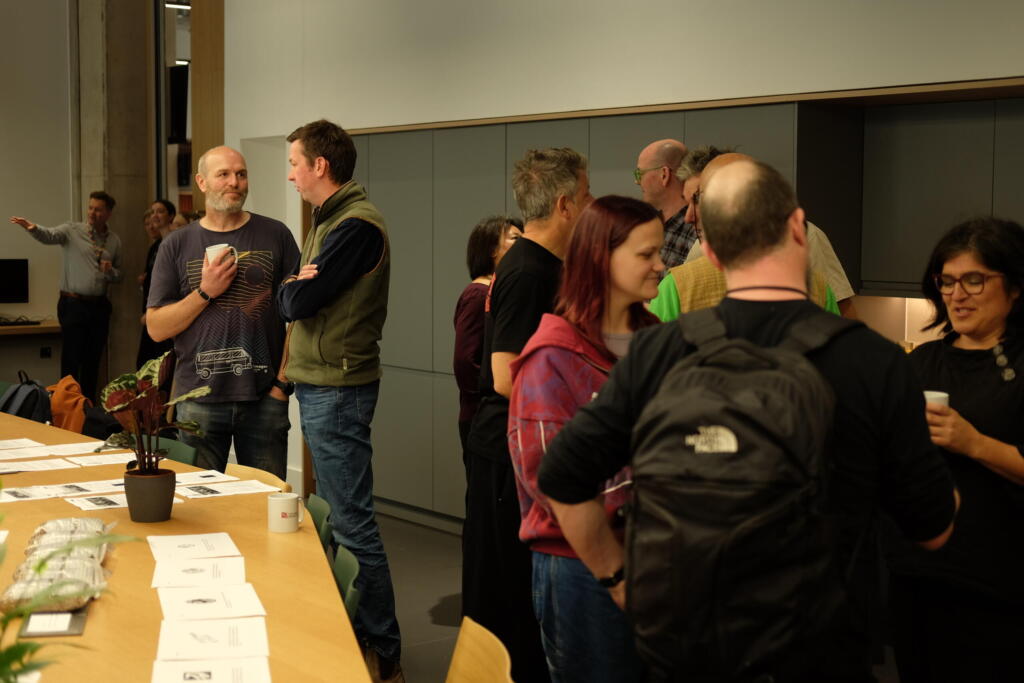
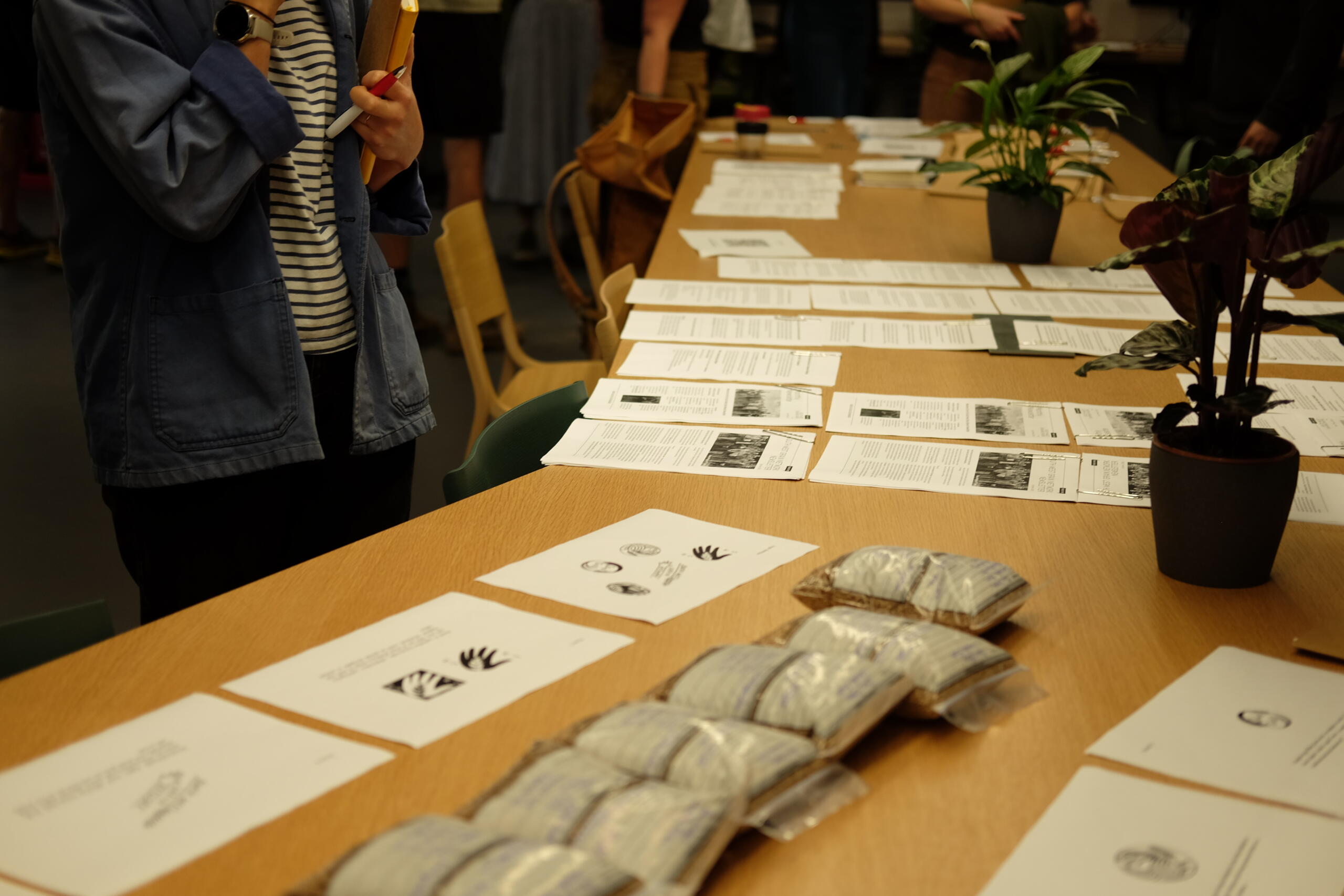
On 28 September, I joined around 50 farmers, millers, bakers and supporters in Bristol for the South West Grain Network’s first AGM.
There was plenty of business to get through, but for me some of the most interesting parts of the day happened between sessions, over coffee, excellent food, in conversations with people who are doing some remarkable things.
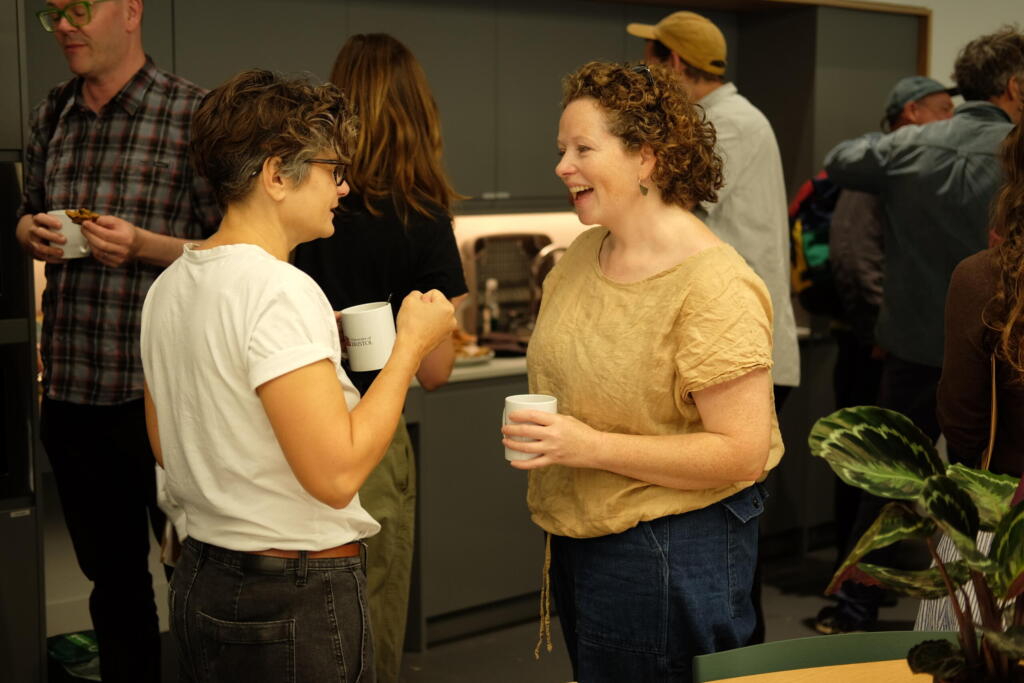
Fred Price and Rosy Benson from Gothelney Farm and Field Bakery in Somerset are a good example. Fred’s work selecting and developing diverse wheat populations, alongside Rosy’s skills as a miller and baker, is a wonderful demonstration of how farming and food production can develop together. Their approach has grown out of Fred’s transition towards agroecological farming, with the relationship between field, mill, bakery and community central to what they do. I’m looking forward to visiting the farm myself soon.
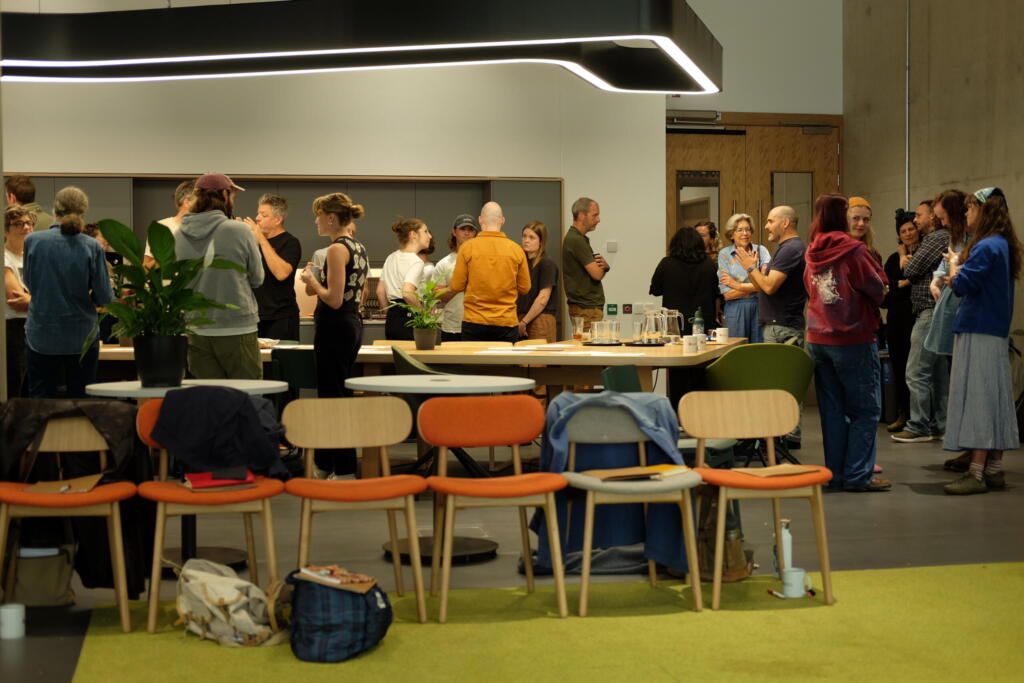
Conversations with farmers and bakers ranged across heritage grains and genetically diverse population wheats, including YQ and Mariagertoba, and how their different characteristics affect both growing and baking. We talked about protein levels, baking qualities and how flours that behave quite differently from conventional bread flour can offer other possibilities. Rather than expecting every grain to meet the same industrial specification, there’s an opportunity to appreciate those differences and adapt how we use them. Some grains may be particularly suited to certain breads, others to pastries and biscuits. The bakers are doing just that, and producing some excellent food along the way.

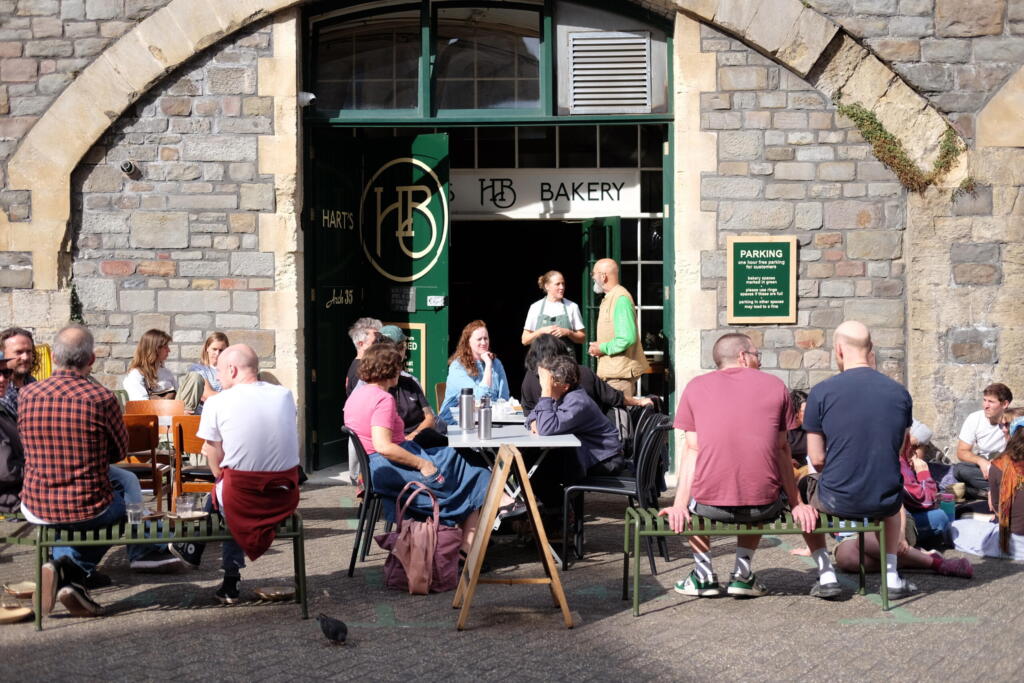
On the topic of biscuits, Marianne Stewart, a freelance pastry chef working with regional grains, brought along some of the nicest biscuits I’ve ever tasted. There were also delicious cakes from Exploding Bakery and Hobbs House Bakery, with lunch at Hart’s Bakery being another highlight. Excellent food and wholegrain baking, including flour stone-milled by Field Bakery at Gothelney Farm, and the satisfying hubbub of people continuing their conversations over good food.
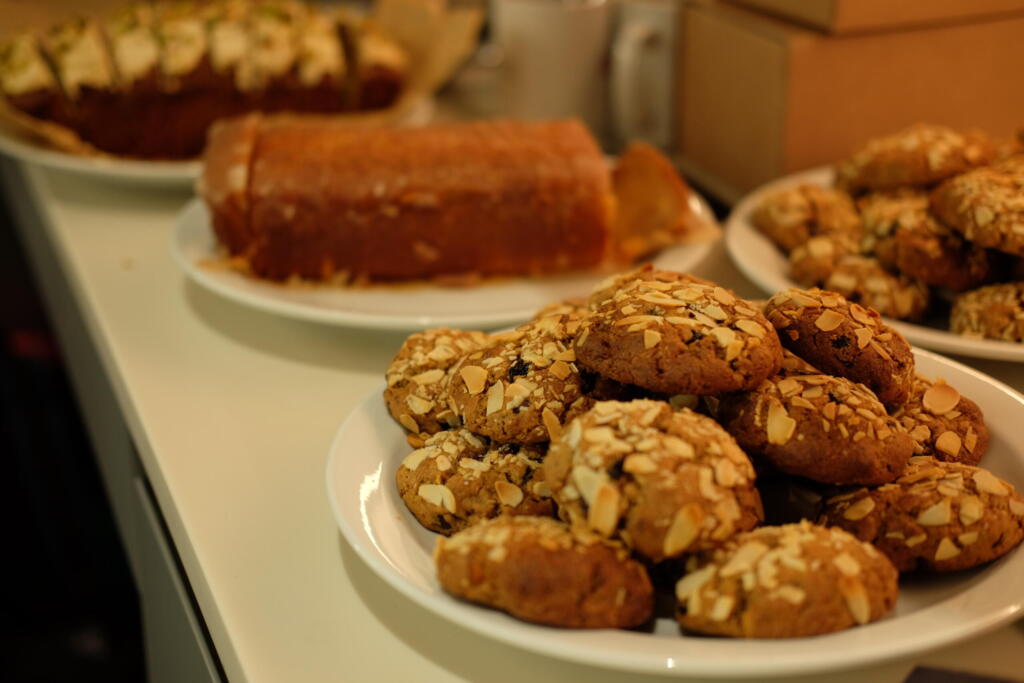
There’s something particularly satisfying about eating the results of all this cooperation. The grain is being grown, milled, baked, shared and enjoyed, not just discussed with regard to agricultural change. And there’s real pleasure in knowing the people behind it.
Beyond the food and good company, it was encouraging to see how much the South West Grain Network has developed since it began in 2019. What started with the enthusiasm and commitment of a relatively small group has been growing into a wider network, with greater opportunities for members to participate and take things forward themselves. Moving beyond reliance on its original members is an important part of that development.
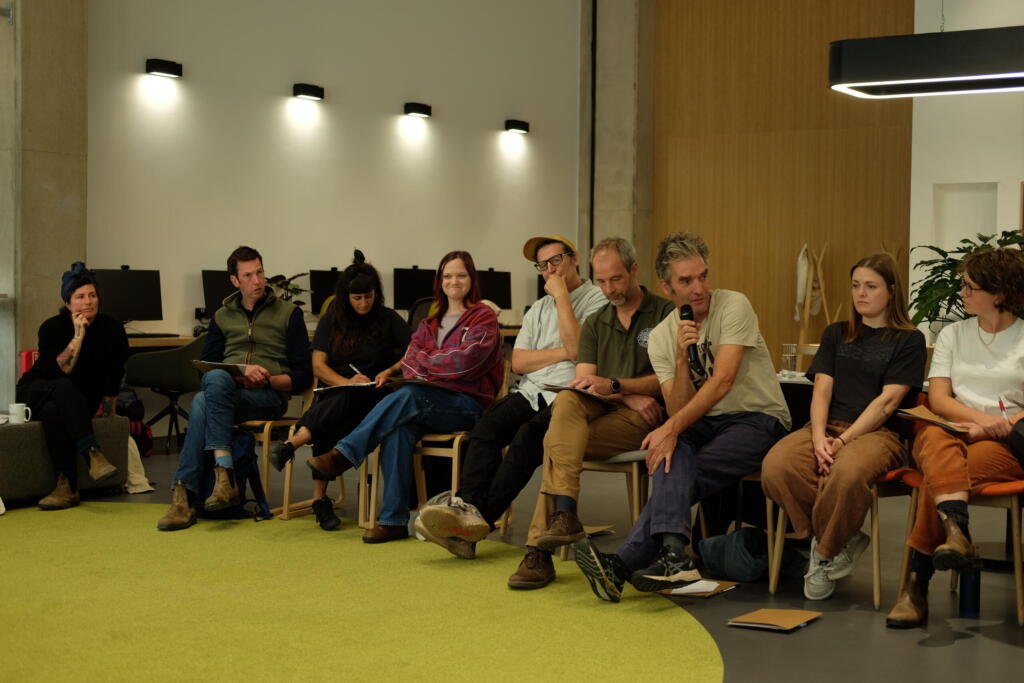
Robyn Minogue’s coordination has played an important role in helping the network grow, supporting communication, relationships and the practical arrangements that allow people to work together. The True South West Flour project is a particularly good example of what this cooperation can achieve. Farmers across the region are growing genetically diverse population wheats, which are milled at Cann Mills and supplied to bakers. A contribution from each tonne milled helps support the network’s wider activities.
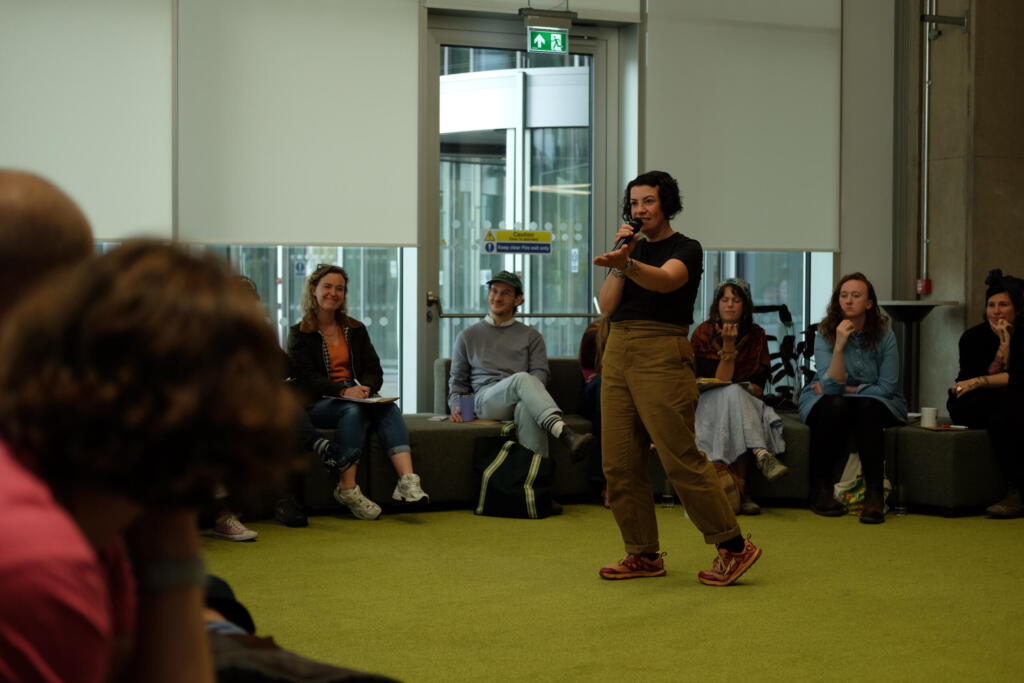
One of the interesting discussions was about enabling more locally led activity, potentially providing small amounts of funding for groups to develop projects suited to their own areas. Another gap that came up in conversation was the need for greater support for millers. Growing diverse grains is one thing, but having the skills, equipment and milling capacity to process them locally is essential if they’re to become part of a functioning regional food system.
There’s still plenty to develop, but it’s encouraging to see people working together to address these practical challenges.
There’s something of emergence in how this network is developing. As Margaret Wheatley and Deborah Frieze put it, “Rather than worry about critical mass, our work is to foster critical connections.” What struck me at the AGM was seeing how those connections are becoming something practical: diverse grain moving from field to mill to bakery, people sharing knowledge, and members finding ways to take things forward in their own areas.
None of this happens without coordination, commitment and resources, but neither can it all be planned in advance.
New possibilities develop through what people discover, need and make possible together.
I had a particularly interesting conversation with Dr Ai-Ling Lai, who hosted the gathering at the University of Bristol, about the movement developing around alternative seed and grain systems and ways the university might be able to support it. It connected with much of what I’ve been thinking about in seed sovereignty: how relationships, shared knowledge and practical cooperation can develop into wider networks with the capacity to sustain themselves.
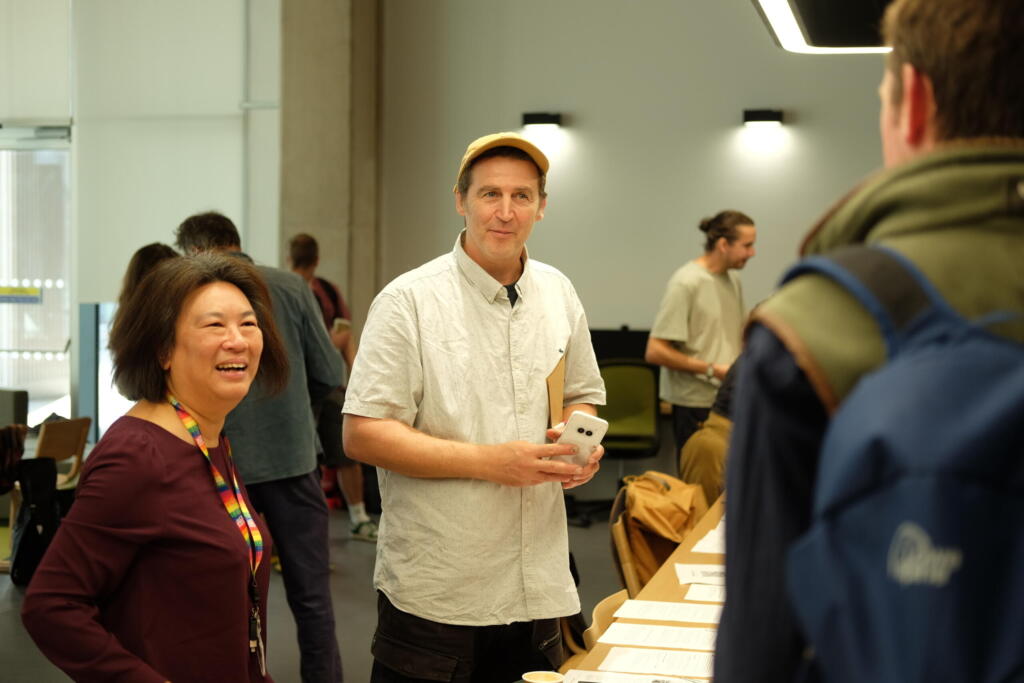
It was also good to continue conversations with Martyn Windsor from Exeter Seed Bank. Since the gathering, I’ve been able to pass on some rare grain seed from earlier trials of their work in Exeter, where they’re exploring rare grains and their uses; a small but practical example of how these connections can continue to develop.
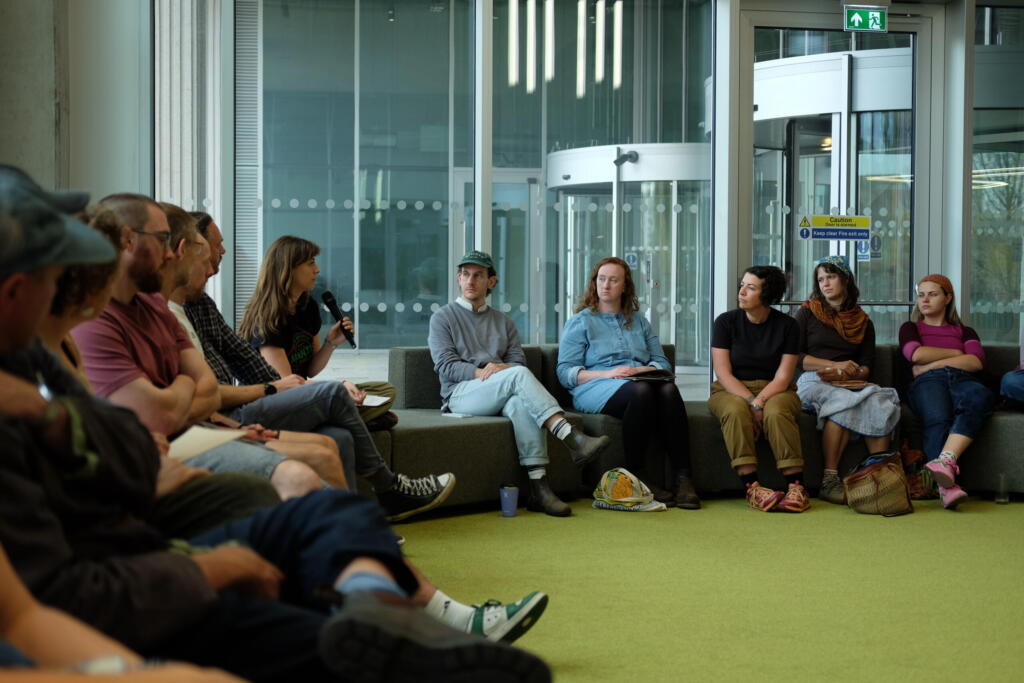
There were many other conversations with farmers, bakers and people working across the regional food movement, comparing experiences and exploring what might be possible together. There’s a great deal of knowledge and enthusiasm in the network, and a genuine willingness to share it. For me, this is where grain networks and seed sovereignty connect. Growing and saving diverse, locally adapted seed is important, but so are the relationships, skills and infrastructure that enable us to make use of it and keep that diversity in cultivation. And it’s very much about people and food. The friendships, sharing of knowledge and pleasure of growing, making and eating good food together are not separate from the work. They’re an essential part of what makes it worthwhile.
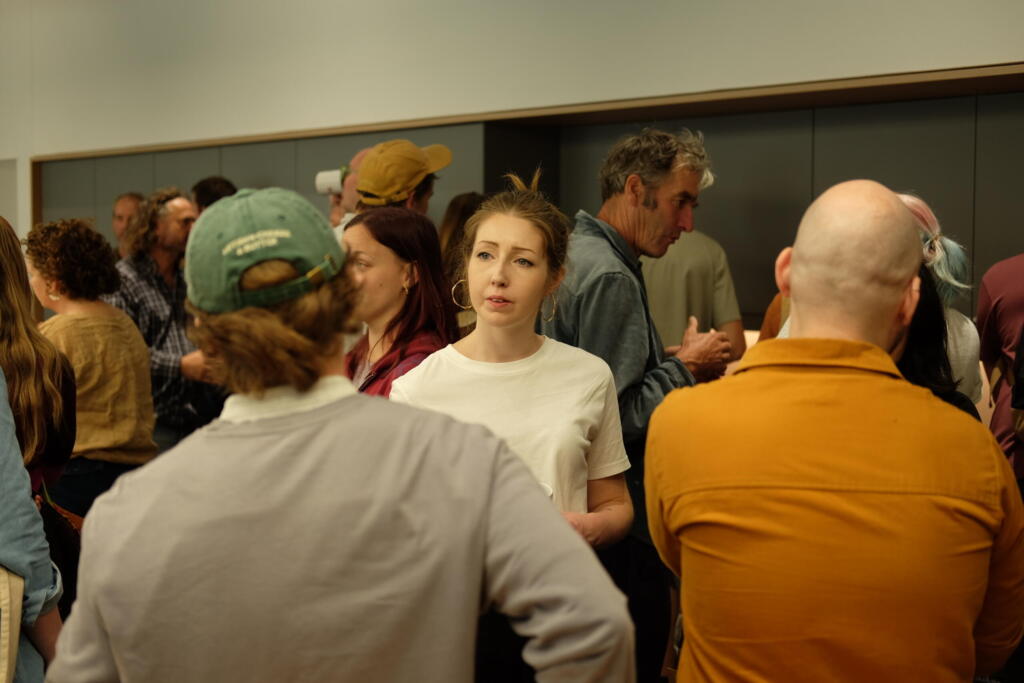
The day left me with a strong sense of a network making real progress. There’s still a way to go, but the results are tangible, from the grain growing in fields and the bread reaching people’s tables to the relationships and new possibilities developing along the way.
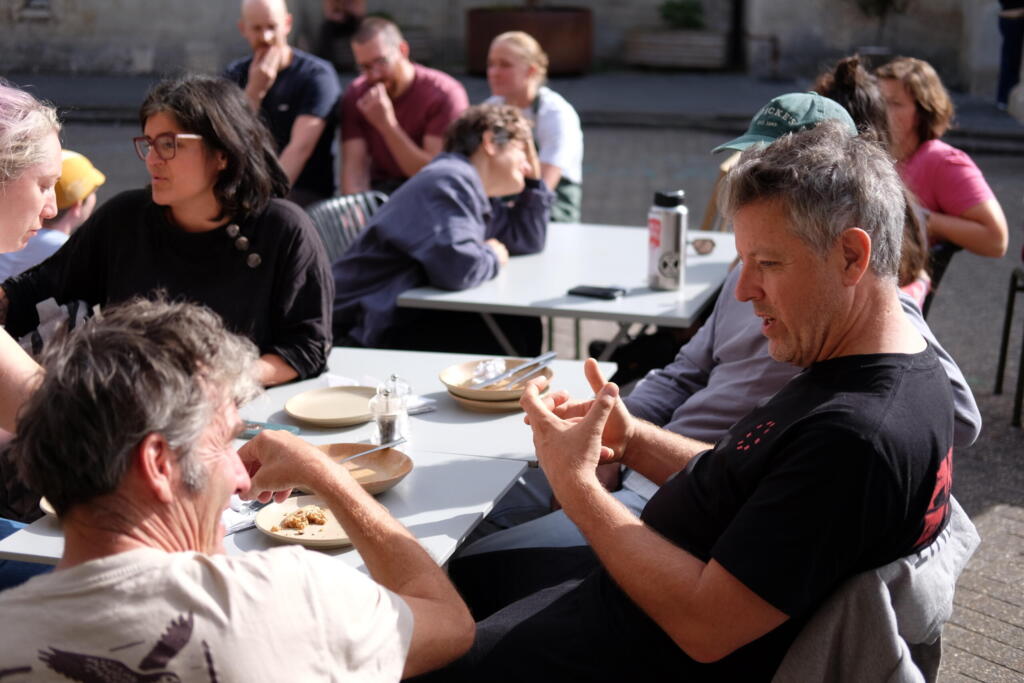
Thanks to the South West Grain Network, Robyn, Ai-Ling and the University of Bristol for hosting us, Laura at Hart’s Bakery for the wonderful lunch, and everyone who contributed to such an enjoyable day.
Further reading: the AGM, including the discussions and proposals for the network’s future, read Our First SWGN AGM, written by Steph Wetherell for the South West Grain Network.
