Join us in raising £20,000 to place seed back in the hands of growers this #SeedWeek2026, with every donation doubled between 22 – 29 April ➡️ Click to donate or share with your network.
For Seed Week day six, North England Coordinator Catherine shines light on the growing number of independent seed producers competing not with each other, but with the system of extraction and greed they’re seeking to collaboratively replace.
The seed market has been consolidating for a century, with smaller, independent and local suppliers lost to multinational domination. Growers no longer have agency over the seeds they sow. Our fields, exposed to increasingly unpredictable and extreme conditions, lack the diversity of characteristics needed to survive a diversity of pressures and to support a diversity of life. In the name of profit and greed, international corporations are putting our future at risk.
Rising against the four agrochemical companies that control 60% of global seed is a growing patchwork of small seed companies, selling the open-pollinated varieties our food system is crying out for. Diverse, adapted and saveable seeds, carrying stories of our language, culture and the people we hold dear, will allow us to provide delicious and nutritious food in our communities for generations to come.
“The small seed companies are allies, with the common aim of making a diversity of locally produced seed readily available.”
Sue Stickland, Wales Seed Hub
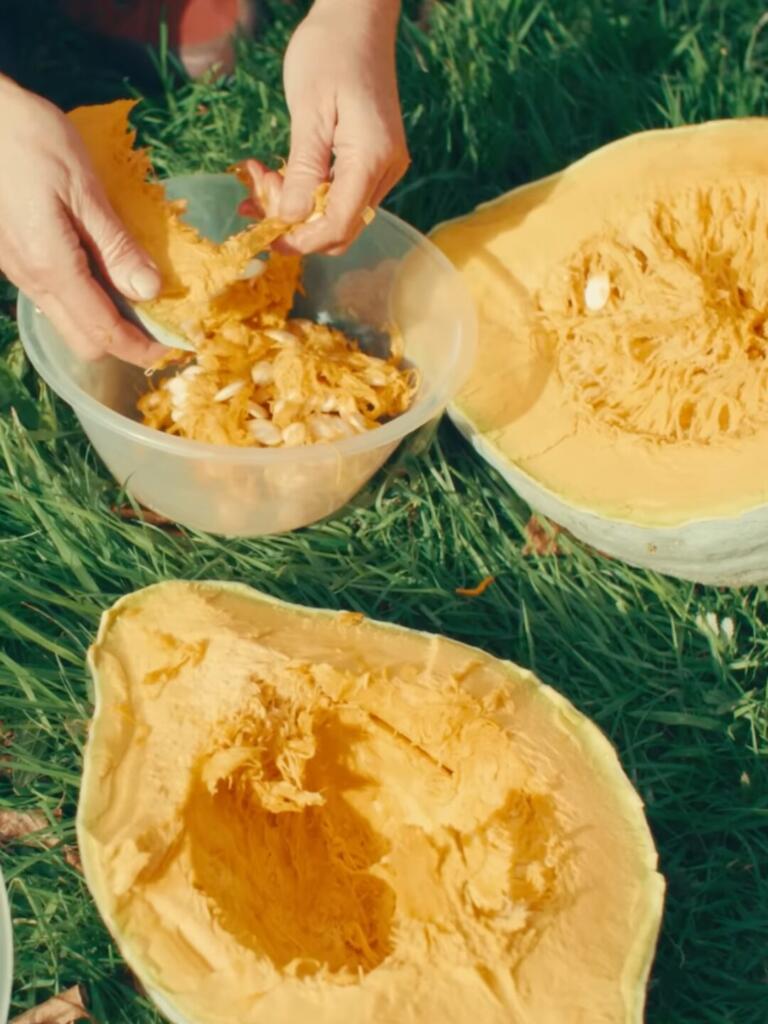
At odds with ‘Big Seed’s’ neocolonial ideology, the UK’s emerging network of independent seed companies operates with a different value set: to increase seed sovereignty, not reduce it at the expense of a functioning food system. Carefully selecting seed suited to local soils and cycles, each supplier is a collaborator of the others, interested not in competing, but in strengthening their collective counter to the seed monopoly. Sharing knowledge, experiences and skills between them, and with their customers too, they are building a seed supply robust and resilient enough to challenge the status quo. By inviting growers into their practice with their selection of diverse, regionally adapted seed that can be saved and resown each year, these companies stand an ever-increasing chance of reducing agribusiness’ control of UK seed.
“To replace big ag and the supermarkets, we need a whole new ecosystem of small farmers, market gardeners, home & community growers, all producing seasonal food for their local area. This means we’ll need a matching ecosystem of seed producers, growing regionally adapted, diverse and resilient varieties.”
Kate McEvoy, Real Seeds
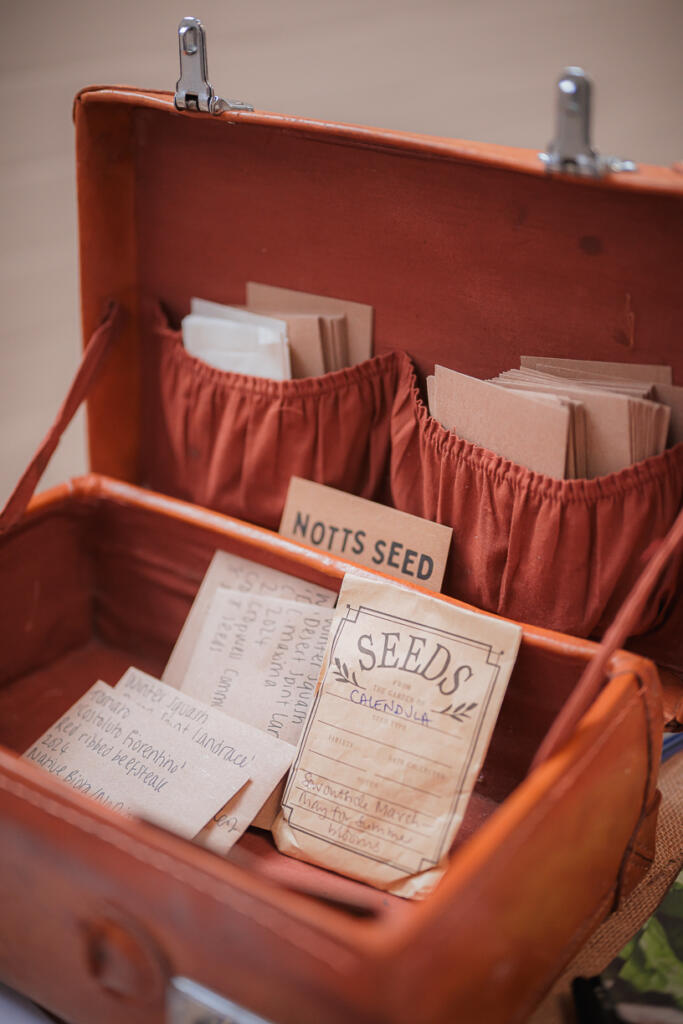
“We can’t do it all ourselves, so the more people who are skilled up the better. It feels not only useful but actually a necessity to share what we have learnt over the years.”
Fred Groom, Vital Seeds
The Seed Sovereignty Programme exists in part to nourish this network of open-pollinated seed suppliers: sharing their stories, promoting open-pollinated seeds, training new cohorts each year with the skills and knowledge to produce seed commercially, responding to laws and legislations pertaining to the sale and dispersal of seed, and working with growers to pinpoint specific varieties that could meet specific needs. Identifying gaps in both supply and demand between us, we nurture relationships that are mutually beneficial to help strengthen the market.
“The Seed Sovereignty Programme has shifted the terms of the conversations around seed saving and agroecological seed in the UK. The team has built a network of informed, connected seed growers, and generated real demand for agroecological, sustainable and appropriate seed.”
Kate McEvoy, Real Seeds
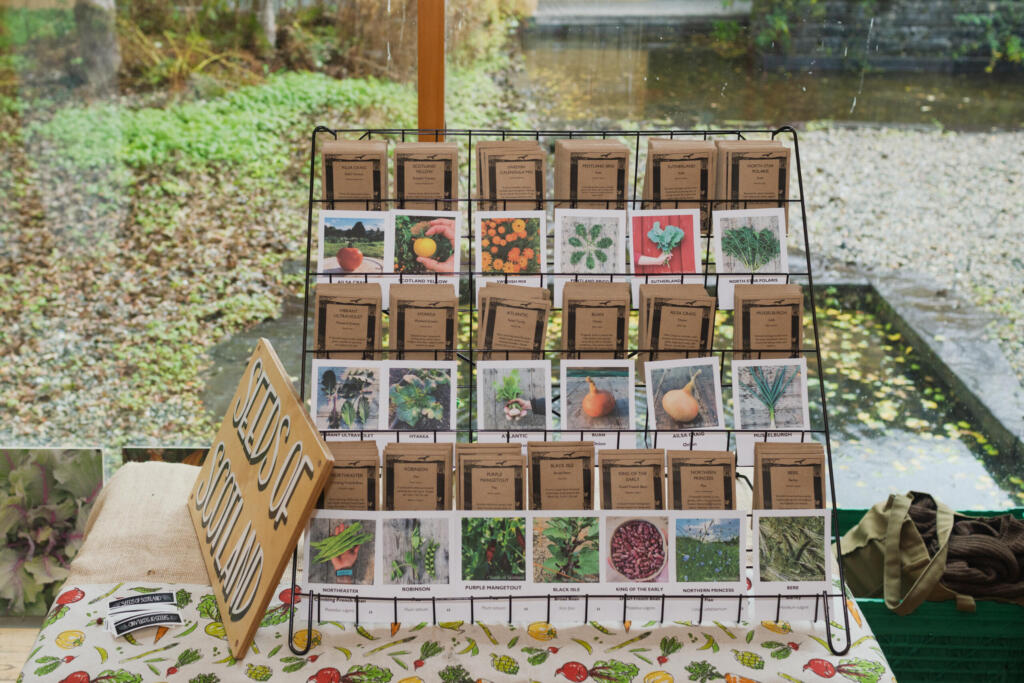
Upon completing our Year Long Seed Production Training, members of our network have gone on to establish their own fully-fledged seed companies. Seeds of Scotland was set up by Haley and Finley after graduating from the course, and is the first Scottish seed company selling seed since the 1980s. Wales Seed Hub, now a commercial seed selling cooperative, is the combined efforts of a group of trainees who each produce seed in Wales. With different climates containing different growers with different interests and preferences, Seeds of Scotland and Wales Seed Hub each offer their own diversity of varieties to remedy the depleted diets and biodiversity of our isles.
Our seed has been controlled by corporations for decades, and with each decade that has passed, hope for a sovereign seed system has wavered. Our future cannot be placed with those who have jeopardised it for profit and power. Instead, it must find its way back to those with their hands in the soil: the growers intent on refinding the resilience that diversity can offer, the communities who treasure the tastes of regional varieties. As the patchwork of independent seed suppliers strengthens, tomorrow’s seed sovereign world feels more in reach each season.
We’re raising £20,000 to reclaim our future from profit-led giants. By placing seeds back in the hands of growers, we can revive the climate and community resilience of farmer-led food systems. Every donation is doubled, multiplying our work to strengthen regional and national seed networks, revive heritage and endangered crops, and retrain growers to save seed adapted to their bioregions.
