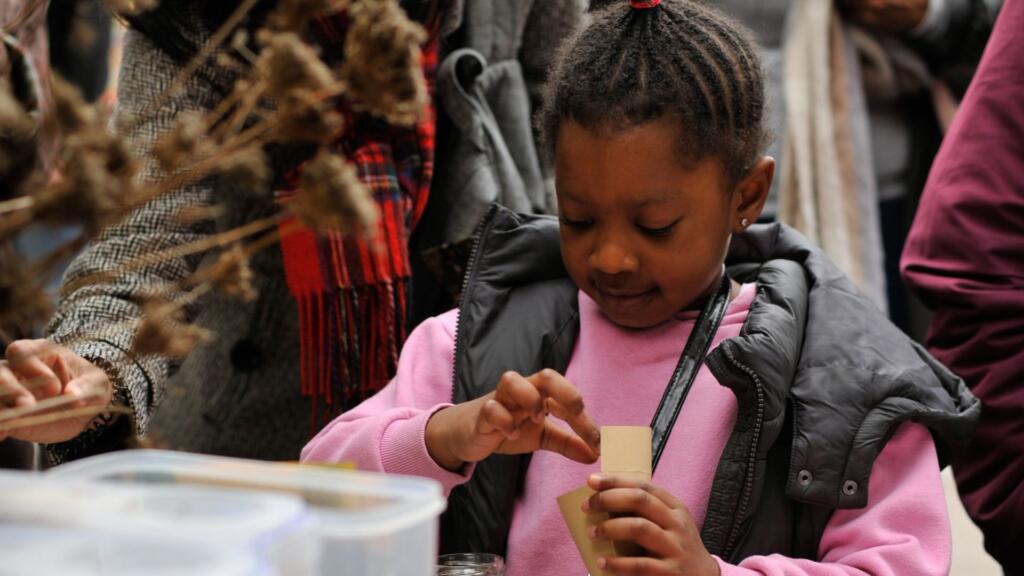
“The world doesn’t change one person at a time. It changes as networks of relationships form amongst people who discover they share a common cause and vision for what’s possible. This is good news for those of us intent on changing the world and creating a positive future. Rather than worry about critical mass, our work is to foster critical connections. We don’t need to convince large numbers of people to change, instead, we need to connect with kindred spirits”.
Margaret Wheatley and Deborah Frieze
Emergence puts a name to a way of working that can be hard to pin down. Intuitive and organic, it is a theory based on living systems, potent connections and intentional adaptation, and it is the theory underpinning the nurturing of a seed sovereignty movement in the UK.
The Seed Sovereignty Programme was born a decade ago, out of The Gaia Foundation’s international work to “reweave the basket of life”, which so often starts with the revival of traditional seed systems. A regionally distributed, national team of Seed Coordinators have for the last ten years been dedicated to rebuilding a thriving seed system on UK soil, where, much like the rest of the world, biodiversity loss, climate instability, and lack of nutrition have reached critical levels.
The Gaia Foundation’s approach is inspired by the work of Margaret Wheatley and Deborah Frieze, who write about Using Emergence to Take Social Innovation to Scale, and the ideas of Adriene Maree Brown in Emergent Strategy, allowing space for the powerful and sometimes unexpected ways that working emergently can ignite change.
“Change is constant. Be like water”
Adrienne Maree Brown
When forging change in the food system, there can be a dominant pull to focus on outcomes, timelines, step-by-step strategies, tangible way markers on a journey from A to B. In a patriarchal system obsessed with ‘productivity’, it can feel rebellious to confide that we are constantly adapting the way we work, responding to what is happening in the bioregions we are in, with the people we are collaborating with and with the seeds we are tending to.
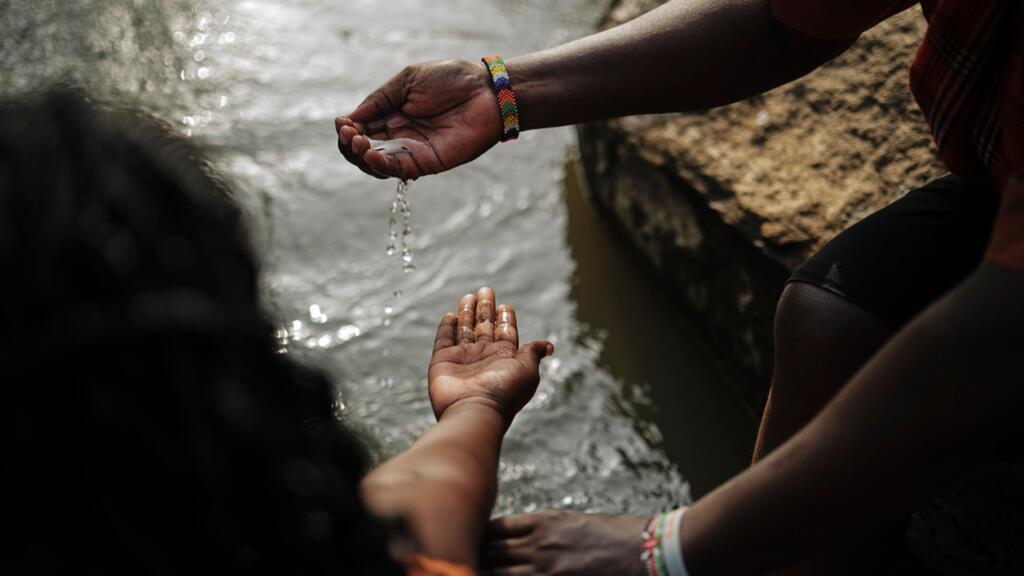
The Seed Sovereignty Programme is delivered by coordinators based in Scotland, North England, South England and Wales (previously Ireland too). With ears firmly to the ground, each coordinator responds to where they sense they should put their energy. As a result, our work to strengthen the seed sovereignty movement can look as diverse as the movement itself.
In the North of England, we are forging relationships with groups of people who use seeds as an intervention to their community wellbeing. In Wales, we are partnering with older farmers who want to pass their heritage knowledge on to the next generation of custodians. In Scotland, we are building relationships between seed growers spread over large geographical terrains, reducing their isolation. In London, we are helping to preserve and amplify the cultural stories that travel with migrating seeds, connecting people to homelands and new lands alike.
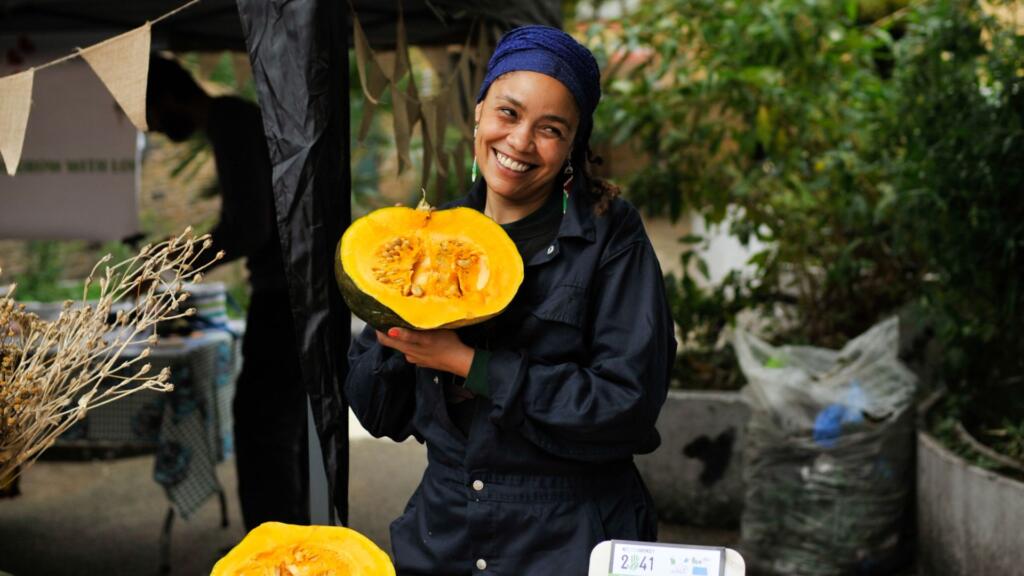
These activities look quite different, until we dig beneath the surface. As Adrienne Maree Brown points out, we need to move away from strategic planning and towards strategic intentions. We need to be clear on the vision we are working towards, while resisting a linear path to get there. Working emergently means holding our intention – to build a more diverse and resilient seed system – while remaining fluid with how this unfolds.
Adrienne implores us to look at the beauty of adaptation in nature – shoals of fish, swarms of bees, murmurations of starlings; “There is a deep trust in this: to lift because the birds around you are lifting, to live based on your collective real-time adaptations.”
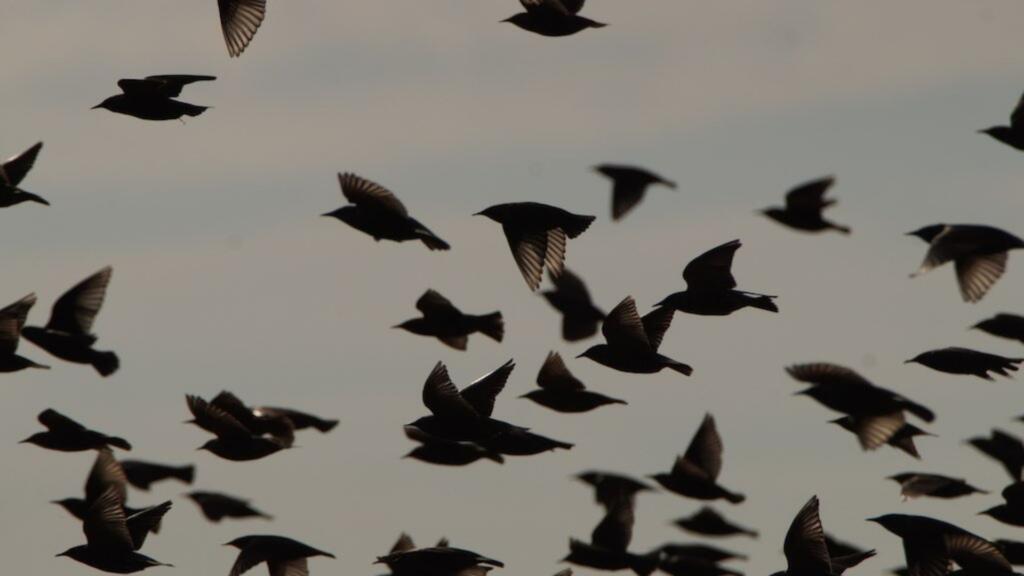
Like the starlings, we try to respond to the network directly around us in the murmuration. We try not to be afraid of changing direction when a project is losing energy, changing tactics when a partnership isn’t quite falling into place, or reworking our priorities based on what the seed movement is telling us. We are responsive and adaptive. When our seed networks told us they needed machinery to address a bottleneck caused by the lack of seed processing facilities, we created a micro fund, offering machinery grants to five small unconstituted groups. When seed growers and sellers told us they needed clearer direction on how to forge fair agreements, we worked with the US-based Seed Workers Organising Group and seed lawyer Gesina Dybdahl-Ovesen to create an editable contract template to serve our network. By staying flexible, we remain agile.
One of our core activities is the delivery of trainings in Seed Politics, Production, and Practice. These trainings are adapted each year based on feedback from participants and evolutions in our thinking on seed. As an awareness of the importance of seed populations has grown in our seed movement, we have grown with it, adding genetically diverse seed populations to the syllabus. When growers who had completed our seed production trainings wanted to form their own seed-selling cooperatives, we formed a seed hub focus group, contracting in teachers based on knowledge gaps. The body of seed knowledge we share is constantly adapting and evolving as we learn with it.
A prevailing landscape of fixed ten-year plans and measurable outcomes set against a backdrop of climate chaos and community breakdown is as rigid as it is irrelevant. We are proud to move like water. We keep our intentions on the horizon – to build a more diverse and resilient seed system in the UK. We set our sails based on the conditions around us and we adapt our course frequently. In this way, we are more nimble and responsive to the work that needs to be done.
“Emergence is how life creates radical change and takes things to scale”
Margaret Wheatley and Deborah Frieze
Our work to build the seed sovereignty movement in the UK aligns with the three stages of emergence set out by Margaret Wheatley and Deborah Frieze in the “lifecycle of emergence”: networks, communities of practice and systems of influence.
“When separate, local efforts connect with each other as networks, then strengthen as communities of practice, suddenly and surprisingly a new system emerges at a greater level of scale. This system of influence possesses qualities and capabilities that were unknown in the individuals. It isn’t that they were hidden; they simply don’t exist until the system changes.”
Margaret Wheatley and Deborah Frieze
As a seed team we build networks, we foster communities of practice around specialist areas of focus, and we respond adaptively to the changes that are happening across our regions, embracing the new systems that materialise. This recipe for change works for us.
“Networks create the conditions for emergence, which is how life changes.”
Margaret Wheatley and Deborah Frieze
Nature is networked. Think of mycelium, ants, bees, parasites and tree roots connecting underground. Ecosystems thrive through relationship. Nature doesn’t work in isolation, but in complex, interconnected systems.
Wheatley and Frieze emphasise that deep change rarely comes from a top-down mandate. “It happens when local actions spring up simultaneously in many different areas. If these changes remain disconnected, nothing happens beyond each locale. However, when they become connected, local actions can emerge as a powerful system with influence.“ This resonates with Nobel Prize-winning chemist Ilya Prigogine who says that “when a complex system is far from equilibrium, small islands of coherence in a sea of chaos have the capacity to shift the entire system to a higher order”.
From the beginning of our seed sovereignty work in the UK, we have prioritised network building. When we set out in this work in 2017, seed sovereignty in the UK was on shaky ground. But it wasn’t altogether non-existent. Islands of people and communities were working to produce open-pollinated seeds and to protect our UK seed diversity. It was our task to support them and, most importantly, to web them up.
Core to our work is training new seed producers, 2,685 since 2021 to be exact. But rather than train new seed producers in isolation, we place huge emphasis on weaving them into networks. Growers on our Year Long Seed Production Training are placed in regional cohorts. They are joined together in peer-to-peer learning groups. We support them in keeping communication flowing.
When our trainees graduate, they are waymarked to active pathways into the wider seed sovereignty movement. We offer ongoing regional meet-ups and opportunities to join regional seed hubs. We want all of them to remain woven into the web.
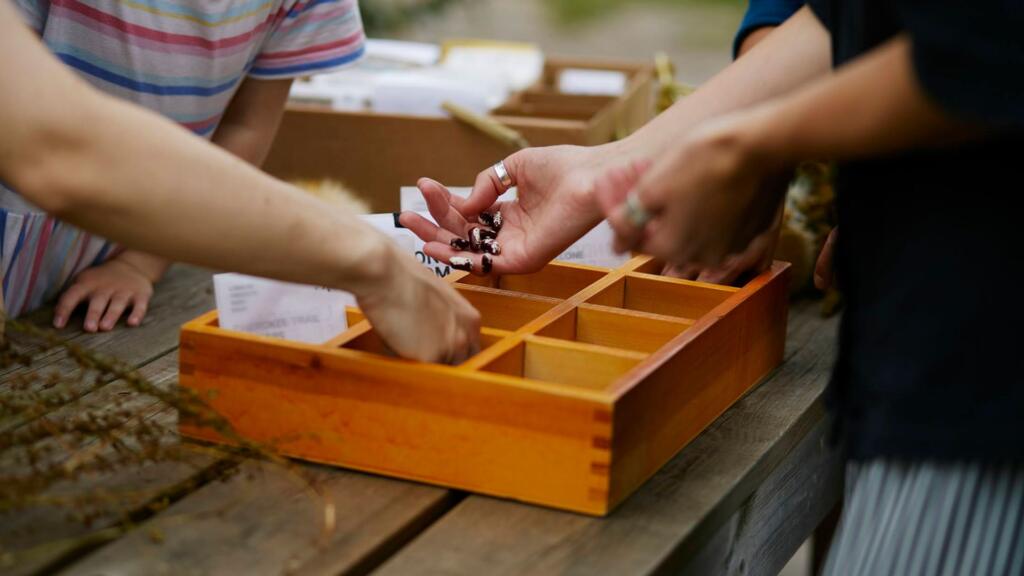
Since 2017, we have been proud to nurture a multitude of new community seed initiatives across the UK. As we have elevated stories of rare seeds and the islands of people working to revive them, more people have been inspired to take action. New seed libraries and community seed-growing projects have emerged, with projects already growing food in their communities starting to close the loop by bringing seed back into their growing cycles. Our seed sovereignty web is growing.
Noticing the patterns of commonly asked questions across newly formed community seed initiatives, we created a Community Seed Forum in which these groups could learn horizontally from one another. A self-sustaining and resilient knowledge exchange that is no longer reliant on Gaia’s small team alone. The Community Seed Forum stewarded knowledge sharing around topics such as seed handling, collaborative planning and funding. A marker of success for us came after 1.5 years when it became evident that the community seed forum was no longer needed. Seed projects across the UK had shared knowledge and built lasting relationships with one another; they no longer required the container of our facilitated forum. They had become a fully-fledged, self-reliant network.
We believe that networks need to be nourished by celebration and joy. In the depths of the 2020 lockdown, we hosted a virtual gathering of people working on grain diversity in Scotland and Wales, named Uncommon Grains. We included a ceilidh and the sharing of Welsh music in the programme. Despite the limitations of the Zoom screen, our participants felt genuine connection with one another as they played fiddle music from their spare bedrooms and read poetry across the bandwidth. In those times of disconnection, it was profoundly moving. This online moment crossed into real-life memory for those of us who shared it.
We also host a biennial Scottish Seed Fest, in which Scottish seed growers come together to share food and uplifting news. Many a new friendship has been forged there. We convened a momentous oat feast in rural Wales, which saw farmers who had been working to revive the rare black oat sit down together to a special feast, lit under a lantern-adorned barn roof. We have curated tomato tasting events in which we devoured delicious tomato dishes with unique flavour diversity. We have hosted celebrations of northern peas at Peas on Tees, featuring green cake made from peas and a pea FA World Cup.
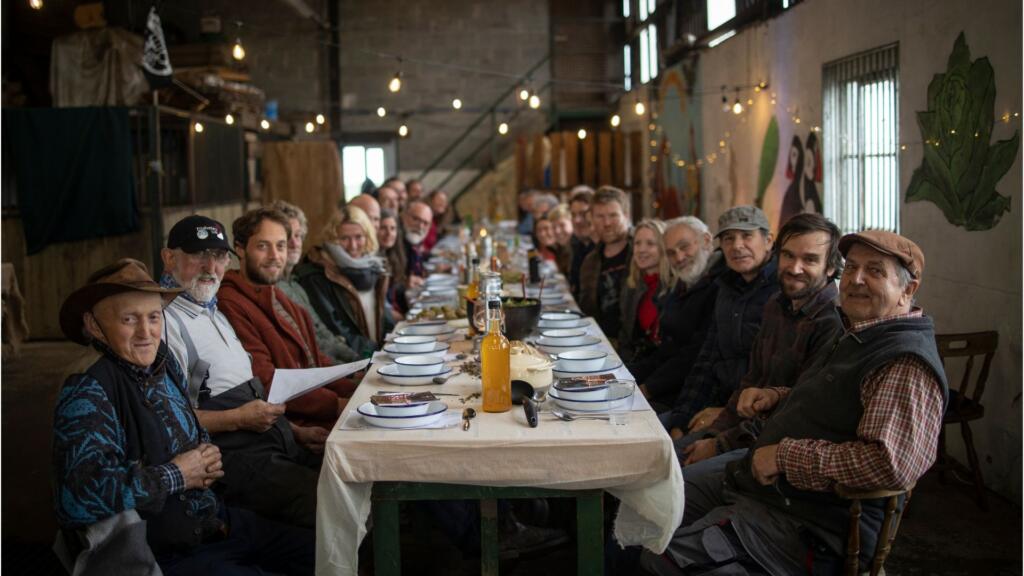
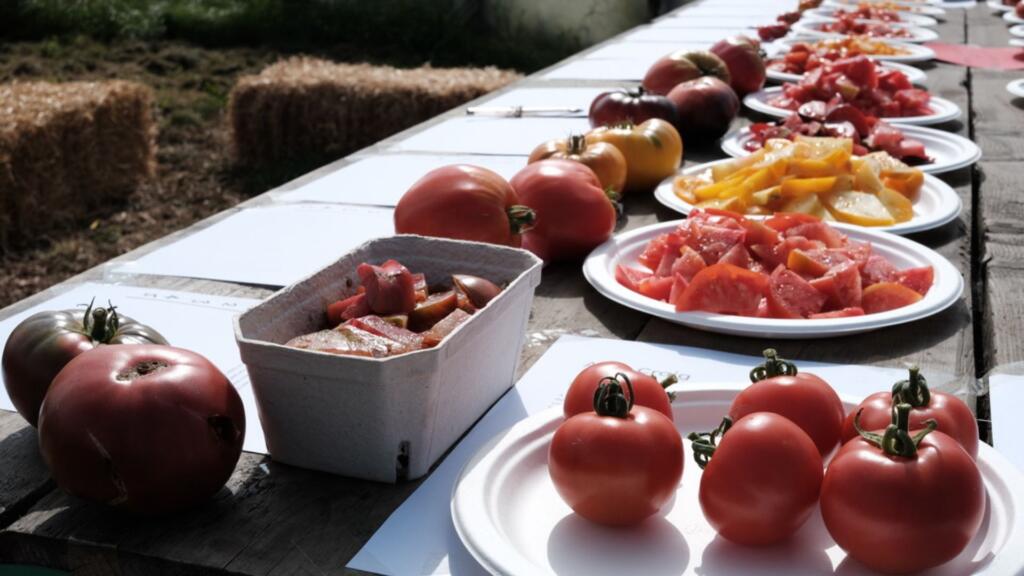
Far from frivolous, these celebratory events are the building blocks of lasting networks. The secret sauce, as some may say. The Gaia Foundation has long worked with partners across the world through “affectionate alliances”. Through this, we have learnt the wisdom of bringing genuine, heartfelt human connection into our work and following the energy of what sparks joy. By connecting seed growers together, they start to feel greater than the sum of their parts.
For the last ten years, our bread and butter has been the forging and fostering of networks. The foundational step in the emergence lifecycle. But Wheatley and Frieze remind us, “It’s important to remember that networks are only the beginning”.
“We need to move from “mile wide inch deep” movements to “inch wide mile deep” movements.”
Adrienne Maree Brown and the Detroit Future Youth program
Networks are formed horizontally and can be expansively wide. Communities of practice put down deep roots, growing their collective understanding and action. Unlike the fluid nature of networks, in which people leave and join with ease, a community of practice requires a commitment.
“In a community of practice, the focus extends beyond the needs of the group. There is an intentional commitment to advance the field of practice, and to share those discoveries with a wider audience.”
Margaret Wheatley and Deborah Frieze
As our seed sovereignty networks have grown over the last decade, swelled by the new recruits we have trained and inspired, we have directed more of our attention to nurturing communities of practice.
In 2023, we started a Crowd Breeding Network, curating a group of growers to collaboratively develop genetically diverse, resilient crop populations using “evolutionary plant breeding”. This group quickly transitioned from a project to a community of practice. Key to this distinction is that the process is not being imparted from an external source. The group are experimenting and pushing the boundaries of their knowledge together, sharing information horizontally. With genetically diverse populations being an innovative, radical concept to contemporary seed producers, this community is forging new understanding of the breadth of genetic diversity needed to adapt to climate change together.
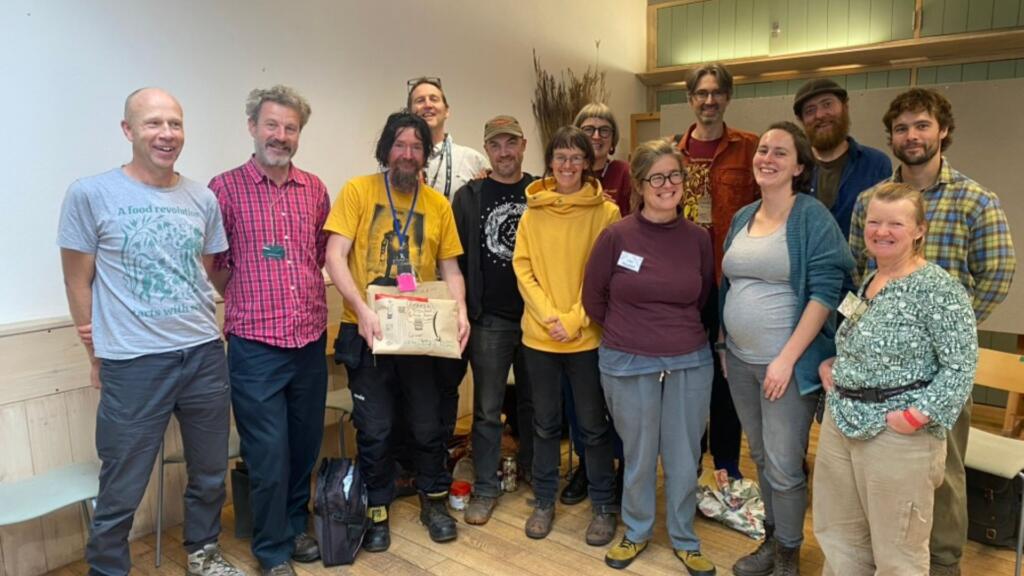
Our communities of practice take different shapes, reflecting the different people and goals within them. In Wales, we have been working alongside a community of growers who completed our Year Long Seed Production Training and went on to set up a seed-selling cooperative: the Wales Seed Hub. We came together around a common goal: to produce more open-pollinated seed in Wales and make this seed available for UK gardeners to buy. Following a few years of knowledge sharing and exploration, Wales Seed Hub have become a successful seed-selling cooperative, selling over 9000 packets of Welsh-grown seed this year.
We work to build communities, bring growers together around trials, culinary exploration, heritage revival and the breeding of new crops. Whilst there is a clarity in the value of this work, we can never assume to know all that will emerge through these collaborations. That is the beauty and magic of the process. For example, when we started running tomato trials in 2021, we didn’t know they would result in a collaborative breeding project which saw over 20 growers working together to bring the Endurance outdoor blight-resistant tomato – the first open-pollinated tomato with these traits – to the UK seed market. These unpredictable outcomes come from building communities where knowledge can be shared deeply, with great things emerging as a result.
At the heart of our work to nourish communities of practice is the foundational principle that these communities of practice must grow into self-sustaining entities. The Seed Sovereignty Programme was set up as an intervention, some much-needed scaffolding to a food system crumbling from its seedy foundations. We are working with seed growers and communities to rebuild a new UK seed system, seed by seed. We are not intending to be a central supporting beam. In all our work, we are aiming to eventually withdraw. A successful community of practice will have the energy to propel itself forward.
In 2025, we started a collaborative movement-building project with UK Grain Lab and the Centre for Agroecology, Water and Resilience, deepening the connections between regional grain networks across the UK. This project is essentially building a community of practice from many smaller communities of practice. Nesting regional grain networks within a larger community, we are reducing their vulnerability and increasing the possibilities for mutual aid and resilience. This will ensure their existence in the future.
We participate in communities of practice, gaining insight and nourishment from being a part of the international web of seed sovereignty actors. The Seed Sovereignty Programme was inspired by the work of the Bauta Family Seed Initiative in Canada. In our early days, we leaned on their mentorship and drew inspiration from their vision. We are now working in collaboration with Seed Change in Canada, Organic Growers Alliance in the USA and Let’s Liberate Diversity in Europe to run international exchanges, sharing learning across borders and ourselves becoming an international Community of Practice. Through being part of The Gaia Foundation family, we have connected with allies at the Kenyan Seed Savers Network, the African Earth Jurisprudence Collective and Navdanya in North India, to name just a few. So much of the change that emerges from our programme is thanks to these fertile relationships and affectionate alliances.
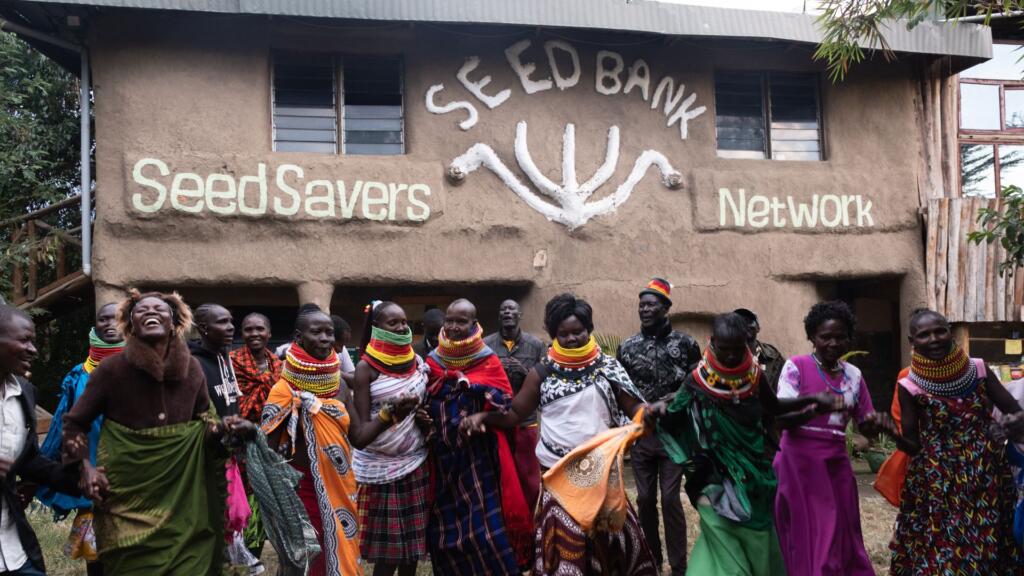
“The third stage of emergence can never be predicted. It is the sudden appearance of a system that has real power and influence.”
Margaret Wheatley and Deborah Frieze
This is where the magic happens. We can intentionally build networks and foster communities of practice. But when a new system of influence emerges, it can totally take us by surprise.
In autumn 2025, we hosted our first-ever in-person Seed Gathering in the hills of mid-Wales. Following two online gatherings in 2021 and 2023, it felt like the time was right to bring our seed sovereignty movement into face-to-face connection. We crafted a full weekend programme of workshops focused specifically on seed (a first in the UK). We were prepared for new relationships to form. We predicted information would be shared. We anticipated a party.
But what we didn’t expect when we looked out into the 170 faces at the opening plenary, was to see a physical manifestation of the change that has happened in the UK seed movement over the eight years since we started the Seed Sovereignty Programme. We saw a diversity of people, all actively engaged in seed work. We saw double the number of small-scale seed companies there were in 2017. As the sessions unfolded, we heard seed processing knowledge shared, far more advanced than the content on our seed production trainings. We heard conversations about diaspora seed stories that reached deeper than we could have imagined. We heard new ideas, things that had not previously crossed our minds. In short, this moment of seeing our seed sovereignty movement together allowed us to realise it had become so much more than we dreamed.
“It’s really important to celebrate hopeful movements and this movement is where I get my hope.”
Leonie Nimmo, Director of GM Freeze and Seed Gathering attendee
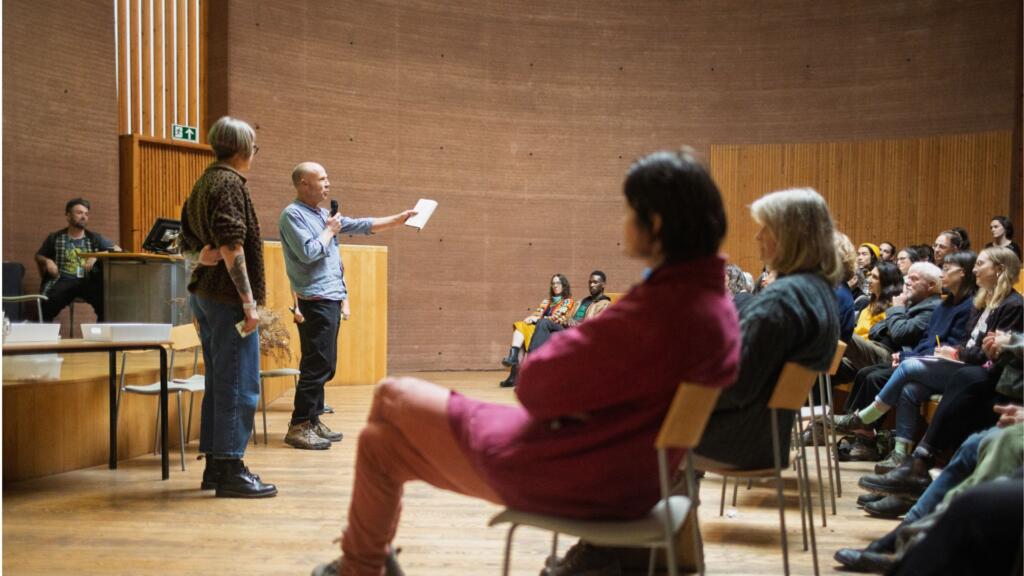
In a small way, the Seed Gathering 2025 was the unveiling of a new system of influence, showing us the ecosystem of small-scale seed companies, community collectives and diverse seed producers that had emerged. It was far more abundant and full of possibilities than we could ever intentionally manifest.
As attendee and speaker Josiah Meldrum, founder of Hodmedods, commented, “In order to create change, we need to build movements around that change process…there is nothing that beats that personal interaction you get with an in-person event like this…conversations at these events really accelerate change.”
It is very important to acknowledge, as this story draws to its end, that we could not work emergently without funders who are also willing to be like water. In the same way that a plant cannot grow strong if it doesn’t have healthy soil to grow from, we cannot work emergently without emergent funders to feed us with the resources we need.
Many of us are familiar with the restrictive feeling of having to package our work into a two-year project to suit the current objectives of a specific funder. Fixed outputs and targets can feel very restrictive when the energy of a project starts to flow in a different direction. Being supported by trusts, foundations and philanthropists in a mutually enhancing relationship with those who understand that this work is in itself emergent allows us to report on our achievements honestly and flexibly.
We hold the idea of change as our goal, but we don’t know the exact shape of this change or the capabilities it will have. This unknown is exciting. We are working to build a seed sovereignty movement beyond what we can currently imagine. We will continue to follow the recipe of working adaptively, building networks and fostering deeper communities of practice. We feel full of hope that a new, more diverse and resilient seed system in the UK is emerging from these foundations. Margaret Wheatley and Deborah Frieze confirm, “emergence always results in a powerful system that has many more capabilities than could ever be predicted by analysing the individual parts”.